

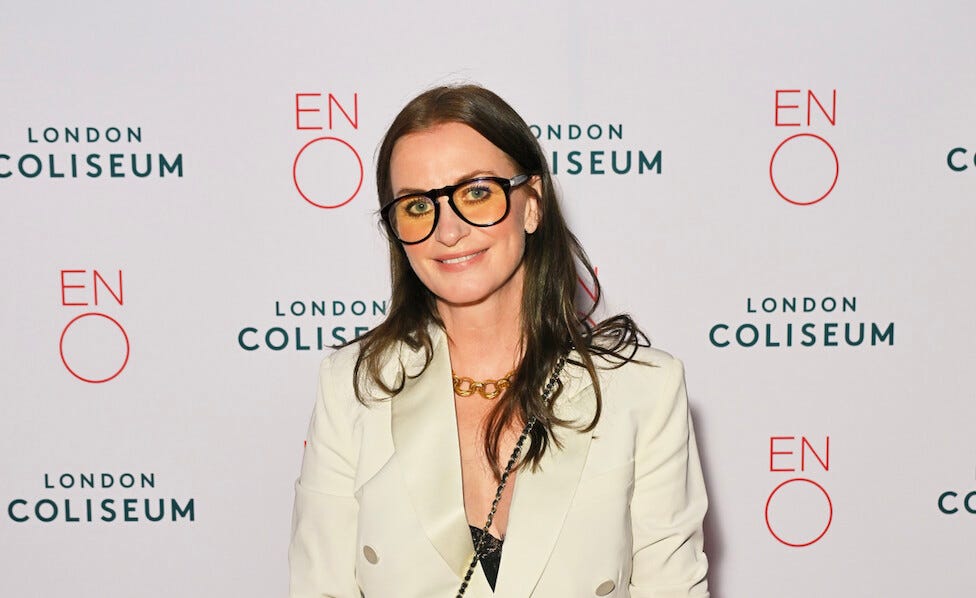
Every few months, a story breaks that serves as a mirror to the marketing industry’s deepest structural flaws. Recently, Stacey Duguid, a 52-year-old former Elle editor, brand strategist, and published author, went viral after sharing her job search journey. Despite decades of high-level creative and strategic achievements, she sent out hundreds of applications into the void without a single response. A friend offered a piece of advice that has now become standard mid-career guidance: Erase 15 years from your resume so you look younger.
This phenomenon isn’t theoretical to me; I am living it now. I spent years operating inside the massive corporate marketing machine. When the corporate environment stopped valuing long-term brand equity in favor of short-term algorithmic performance, I took action. After six years of consulting, writing, teaching, and growing, I am now building a startup from the ground up. It is an act of reclamation—unlearning corporate dependency and converting decades of accumulated strategic knowledge into proprietary equity.

The Rise of the Restless Urbanite
Nowhere is this shift toward independent ownership clearer than in what my former “partner in crime” from our Mastercard days, Andrew Bowins, is achieving.
Throughout his career, in addition to his pivotal role at Mastercard, Andrew led global corporate communications at tech giants including Dell, Nokia, and Samsung. He is the definition of a battle-tested executive. Yet his story and his subsequent pivot mirror the systemic failures we track at the Marketing Accountability Council (MAC).
After reaching the pinnacle of corporate comms, Andrew faced a sudden, life-altering health scare: a 99% arterial blockage. This near-fatal event completely reframed his perspective on life, work, and distribution. He looked at the landscape of media and marketing and recognized that mainstream media, advertising agencies, and corporate marketing strategies systematically treat life after 50 as a “winding down” phase.
Andrew’s answer wasn’t to fix his resume. His answer was RestlessUrban, a robust digital lifestyle and media platform dedicated exclusively to adults over 50. Instead of asking an ageist corporate ecosystem for permission to exist, he built a new media infrastructure where strategic clarity, lived experience, and genuine human context are treated as primary assets rather than liabilities. He isn’t just serving an audience; he is proving that the marketing industry’s algorithmic neglect of this demographic is a massive economic miscalculation.
The only path forward is self-determination
My story, Stacey’s story, and Andrew’s story point to the same conclusion. You cannot rely on a corporation to value your decades of experience. You cannot rely on an algorithm to recognize your strategic depth. And you certainly cannot rely on a broken hiring system to grant you permission to build enterprise value.
So you build it yourself, and that is exactly what we are doing at MAC: It’s still early. But here’s where it stands:
Launched at the B2B Marketing Exchange to 300+ senior marketers — no cold outreach, no ad budget
799 LinkedIn followers, growing at 566.7% over the last 30 days
49,535 LinkedIn impressions over the past year — 1,277 reactions, 195 comments, 18 reposts, all organic
700 Substack subscribers with a 32% open rate, against an industry average closer to 21%
The MAC’s most-read pieces don’t get measured in likes. Some get opened a dozen times by the same person — because the writing said something they needed to hear and couldn’t find anywhere else.
Follower counts don’t build companies. Open rates don’t close deals. But every one of those subscribers found the work on their own, read it, and came back. That’s not proof of arrival; it’s proof the thesis has traction before there’s a product to sell.
Andrew Bowins built RestlessUrban the same way. No algorithm handed him an audience. He built the infrastructure and let the work do the work.
That’s the only move that actually holds.
RestlessUrban is a media platform for adults over 50 who are still learning, working, traveling, creating, and asking what's next — Subscribe free at restlessurban.com.
The structural failure is deeper than ageism alone.
The industry spends decades extracting judgment, pattern recognition, relationships, and institutional memory from people, then discounts those same capabilities once they no longer fit the preferred cost structure or cultural image.
That is not talent management. It is capability destruction.