

Today is my son Gavin’s birthday. But yesterday he called and said, “Dad, the Bronx Puerto Rican Day Parade is today. You in?” That call told me everything I need to know about who my son is. I dropped everything, and we met on the Grand Concourse.
The Grand Concourse was alive. Music poured out from every direction. Families lined the route shoulder to shoulder. Salsa icon Willie Colón and percussionist Bobby Sanabria were being honored on the main stage. And right in the middle of it was my kid—tripod planted at 171st Street, phone steady, already live on the Citizen app, a platform built for real-time neighborhood awareness, and he completely transformed what people expect to see there. By the afternoon, he was the top broadcaster in the entire application for the parade with over 50,000 views.
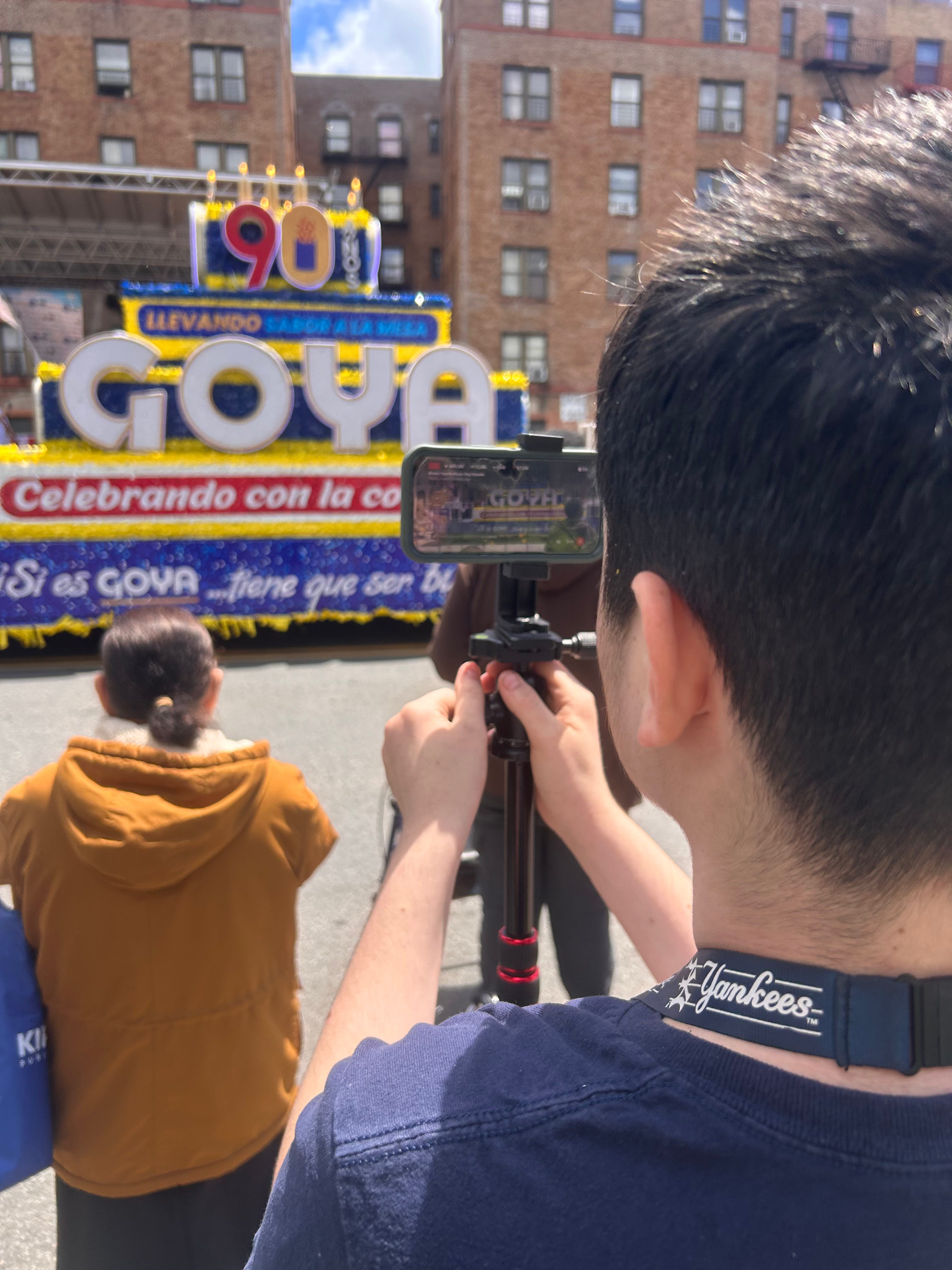
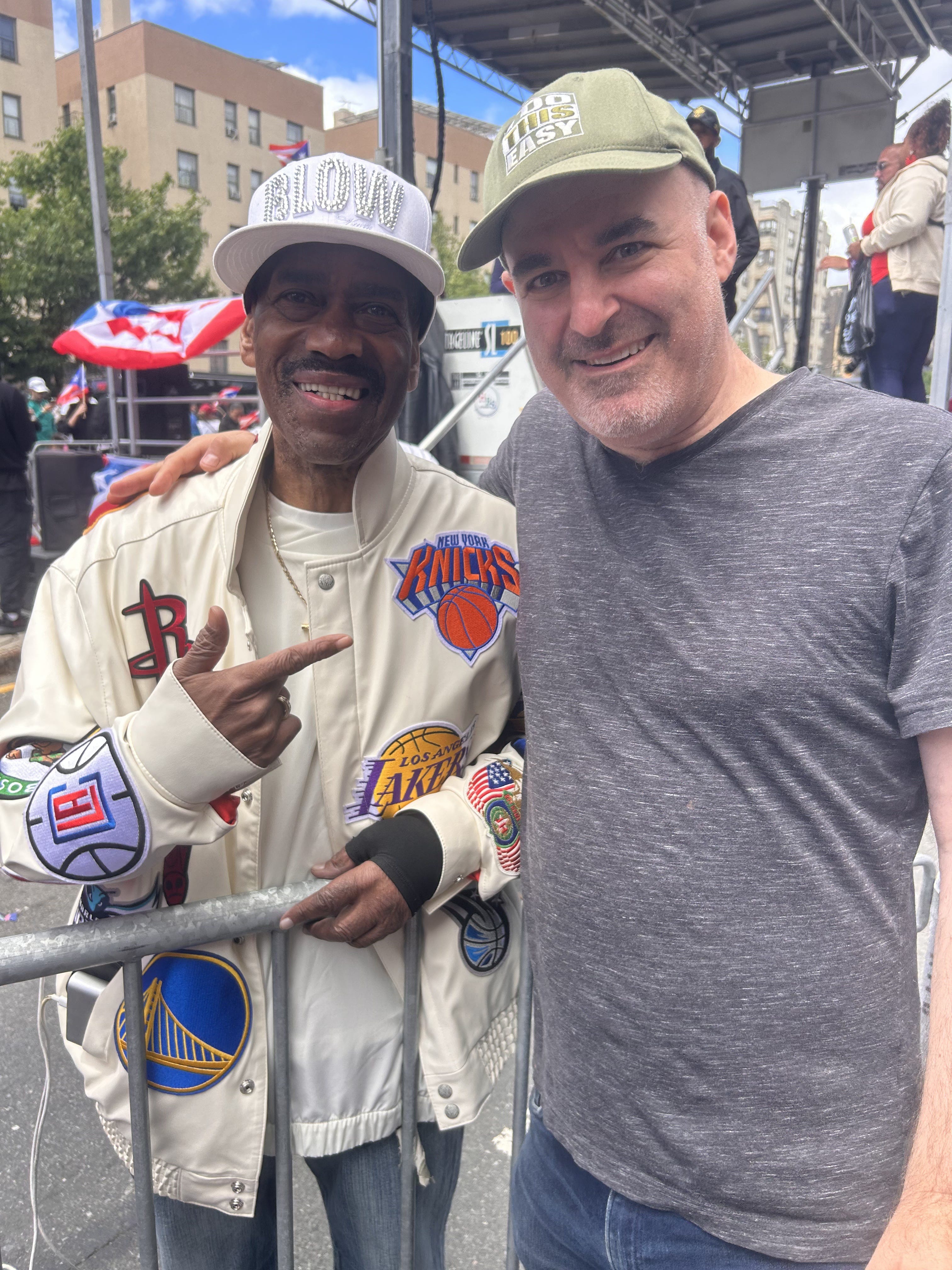
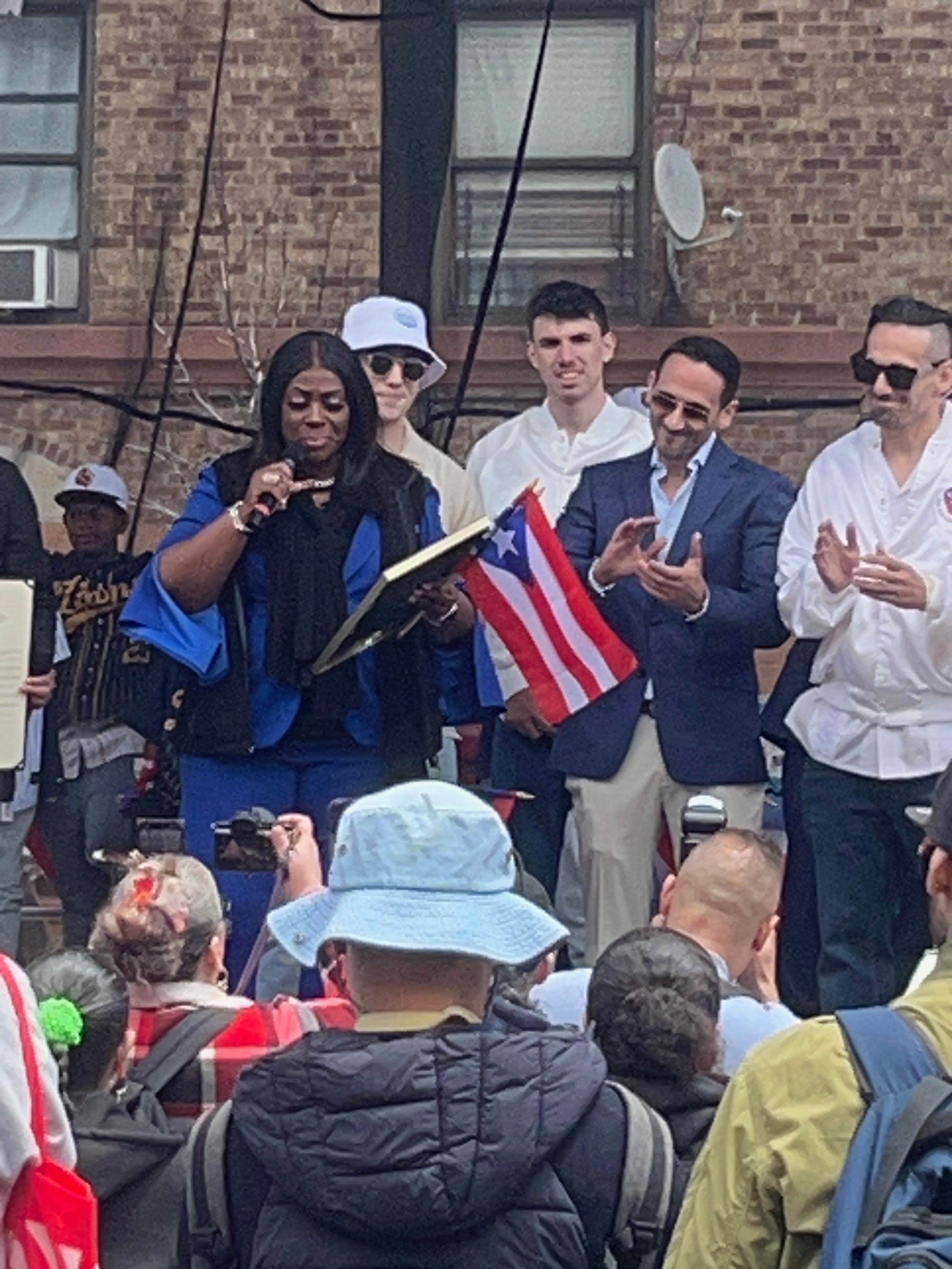
But as proud as I am of Gavin, I walked away with a profound sense of disappointment in our media ecosystem. During the parade, I made my way to where the media infrastructure was supposed to be; the main announcement stage where we were. The spots where, a generation ago, you’d find news trucks, camera crews, and the unmistakable hum of a live broadcast being assembled. Yesterday, there was not a single legacy news camera. Not one professional crew.
For a 40th anniversary milestone parade on the Grand Concourse in New York City—one of the most storied cultural events in America—traditional media was simply absent. The only broadcasting happening was from the participants themselves, streaming on their individual social media accounts.
I am incredibly proud of Gavin for stepping into that vacuum on the eve of his birthday. But I am not proud of a legacy media landscape that seems to have completely given up—looking less like a professional industry in the world’s top city and more like the Cavs playing the Knicks, totally outmatched and entirely absent from the game.
The Two-Fold Crisis We Can’t Ignore
What Gavin demonstrated isn’t just impressive content creation—it’s two crises unfolding at once:
The financial collapse of local news is real and accelerating. Newsrooms gutted by the loss of digital ad revenue to Big Tech have been forced to chase cheap, algorithmic clicks—tragedy, division, and fear. Feel-good community triumph doesn’t fit that sensationalist budget, so it gets left uncovered.
The erasure of cultural history is the quieter, more insidious consequence. When legacy newsrooms don’t show up, we don’t just lose the daily news—we lose our collective memory. A 40th-anniversary parade on the Grand Concourse, honoring living legends, should be archived for the generations that come after. If the only record lives in a temporary social media feed, history slips through the cracks.
What a Kid With a Tripod Proved
For brands and marketers: If your media strategy still assumes legacy broadcasters own the cultural narrative of major markets like New York City, your assumptions are out of date. The community’s eyes have moved—and they’re following independent, authentic voices like my son.
For the media industry: We have to figure out how to resource local storytelling so it can survive. A single creator can brilliantly capture the joy of a parade. But independent creators rarely have the legal backing or financial runway for the six-month investigative grind that holds institutions accountable. Both matter. We can’t let one disappear while celebrating the other.
A Birthday Worth Celebrating
Gavin has a tractional part today. But what I’ll remember about this birthday isn’t the celebration; it’s the day before it, when he chose to spend his time planting a tripod on the Grand Concourse and making sure a milestone moment of Boricua pride was documented, validated, and shared with tens of thousands of people who couldn’t be there in person. He didn’t have to do that. He chose to. Because that’s who he is.
Happy birthday, Gavin. The community is lucky to have you showing up. And so am I.
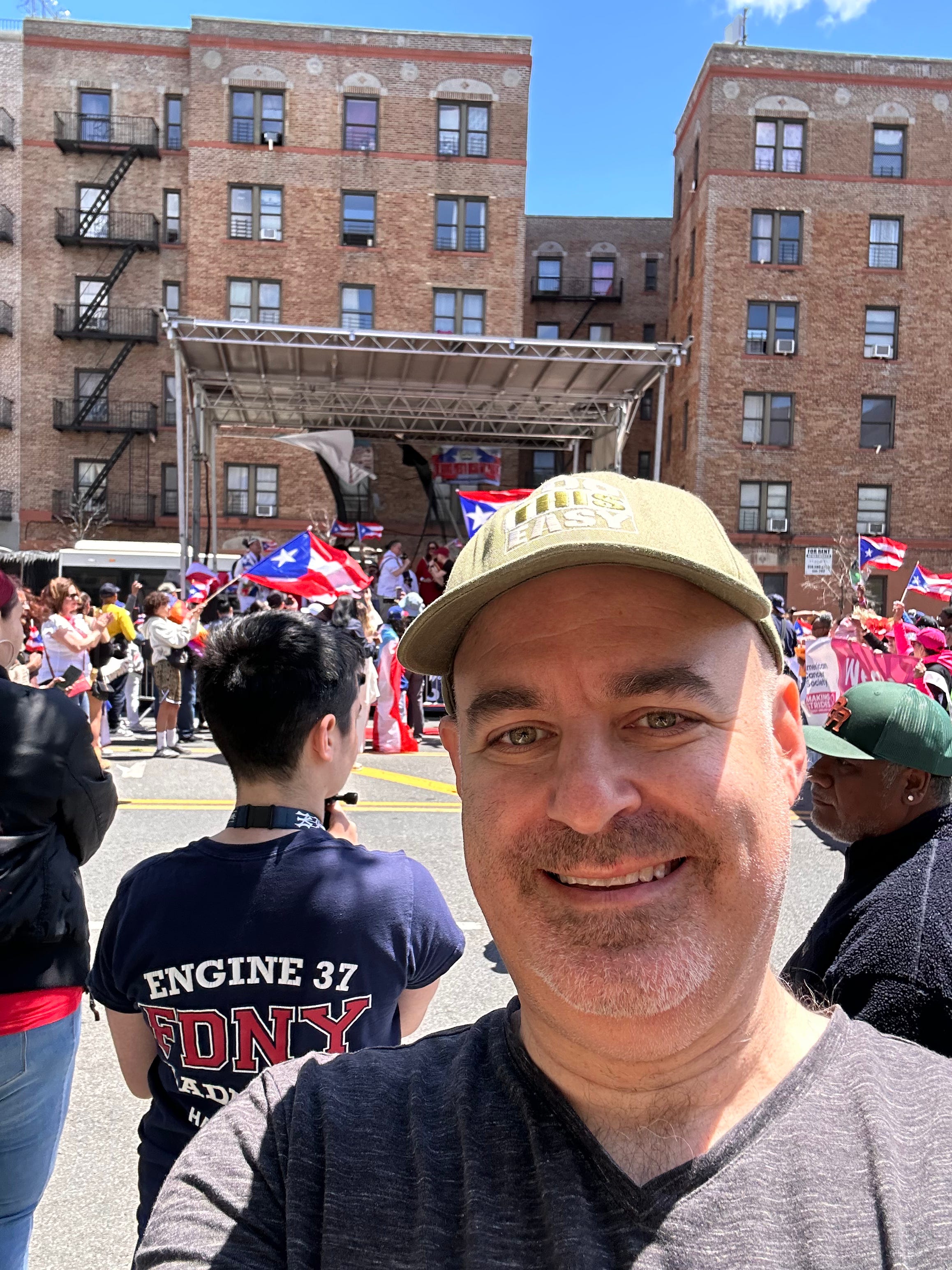
Happiest Birthday, Gavin!
Happy birthday to Gavin! And congratulations on his reporting of the Parade!